Have a 1031 exchange? Talk to Jerry.
Hi, I’m Jerry Baker, founder of Baker 1031 Investments. With more than a decade in the industry, I’ve had the opportunity to participate in over $10 billion in real estate investment activity. Through a combination of education, investment guidance, and transactions, I’ve reached more than 250,000 real estate investors.
I personally develop custom 1031 exchange solutions for each client. I tailor these solutions to your specific income needs, financial goals, and 1031 exchange requirements. View an example
Already working with Jerry? Log in

- $10B+
- Real estate activity involving Jerry
- 250K+
- Investors Jerry has educated and transacted with
- 1,100+
- Full-cycle DST investments Jerry actively monitors
- $4T+
- Investor capital managed by platform sponsors
- 20+
- Leading institutional investment firms on the platform
How I help with your 1031 exchange
How do I help you with your 1031 exchange?
It starts with a conversation. I want to understand your background, what you need from your investments, and what you’re trying to accomplish. From there, we work through the options that fit your circumstances and exchange requirements.
For a 1031 exchange, those options may include Delaware statutory trust (DST) properties, DST offerings structured for a potential future 721 (UPREIT) exchange, and qualifying oil and gas royalty interests. I also work with Opportunity Zone (OZ) funds and REITs for investment needs outside a direct 1031 exchange.
I’m often asked, “How do you decide which investments are right for me?” My starting point is a simple formula:
- Needs
What do you need today, tomorrow, and over the next five to ten years?
This helps us understand your cash flow needs and when you may need access to your money.
- Goals
What are you trying to accomplish over the next 10, 20, or 30 years?
This is where we look at the bigger picture.
- 1031 Requirements
What are the requirements of your exchange?
We look at how much you need to reinvest, how to address debt from the property you’re selling, and the deadlines and other requirements we need to work within.
How do I develop your custom 1031 exchange solution?
For full deferral, you generally need to reinvest your exchange proceeds and replace debt with new debt, additional cash, or both.
Equity
Your net sale proceeds held by your qualified intermediary.
Debt
The loan balance paid off at closing.
Total investment
The replacement property value generally needed for full deferral.
We adjust these starting figures for allowable exchange expenses and other closing adjustments.
I use your numbers to narrow the options, then consider your income needs, growth goals, and estate-planning priorities to decide how to allocate your equity.
Selling one property doesn’t mean replacing it with just one investment. You can divide your exchange among qualifying DSTs, subject to identification rules and deadlines.
I look at how the investments work together, weighing each offering’s income and growth potential, risks, and tradeoffs against what you’re trying to accomplish.
I’ll walk you through the options, what I like, where I have reservations, and how each fits your needs.
One exchange. A mix built around you.
Set your equity and debt, then add, remove, or resize investments. Allocations rebalance automatically to keep your equity fully allocated.
A short walkthrough. You can take over at any time.
Each fictional investment’s fixed debt assumption changes your total replacement value as you adjust the mix.
Explore different allocations, then I’ll help you weigh the mix’s features, risks, and tradeoffs against your needs and goals.
Illustrative only. These are fictional investments, not available offerings or recommendations. This model assumes no additional cash and excludes expenses, minimum investments, and closing adjustments. Meeting the displayed value target does not establish tax deferral; eligibility, identification rules, deadlines, and your circumstances still need review. Debt relief may be offset by certain replacement liabilities or additional cash; see IRS guidance on like-kind exchanges.
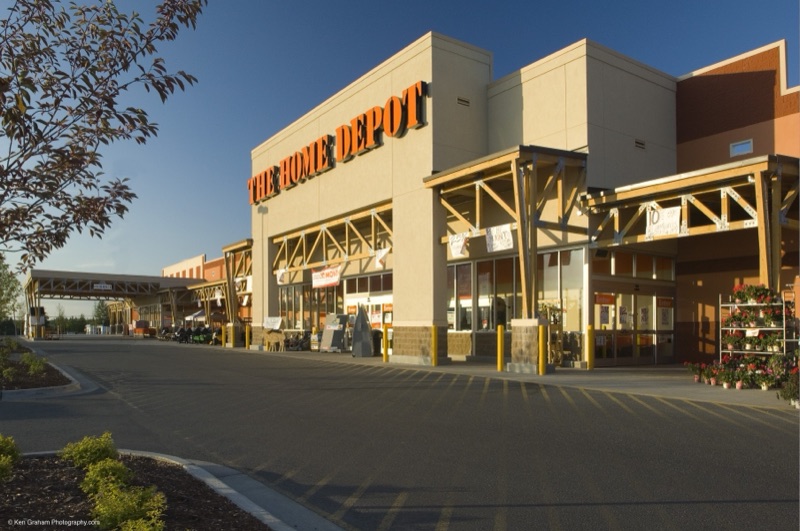
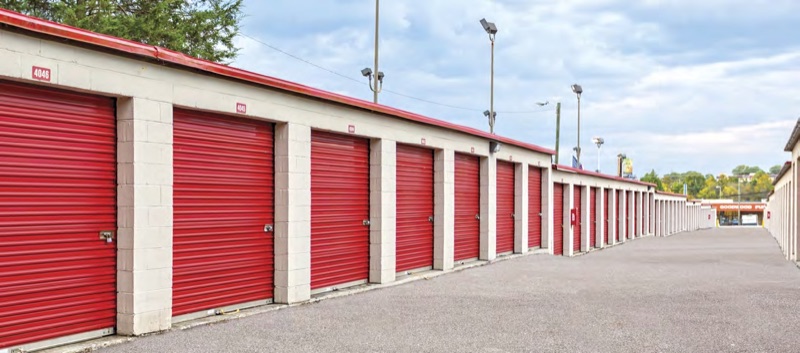
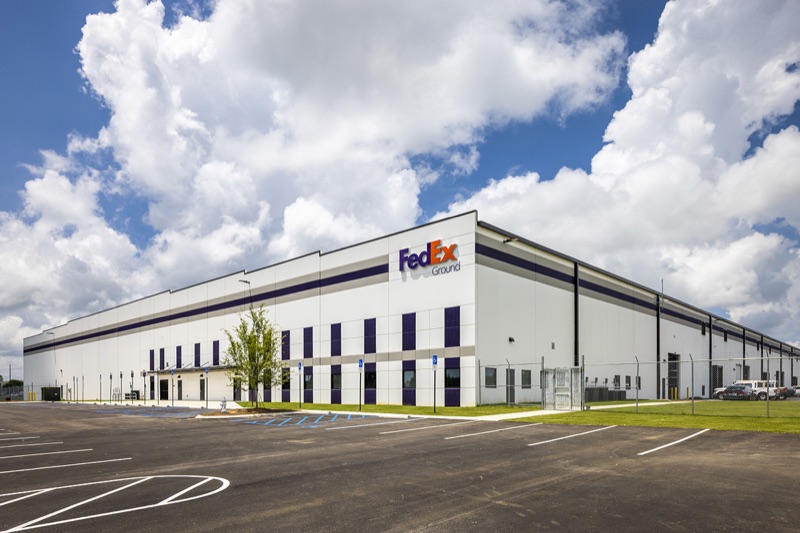
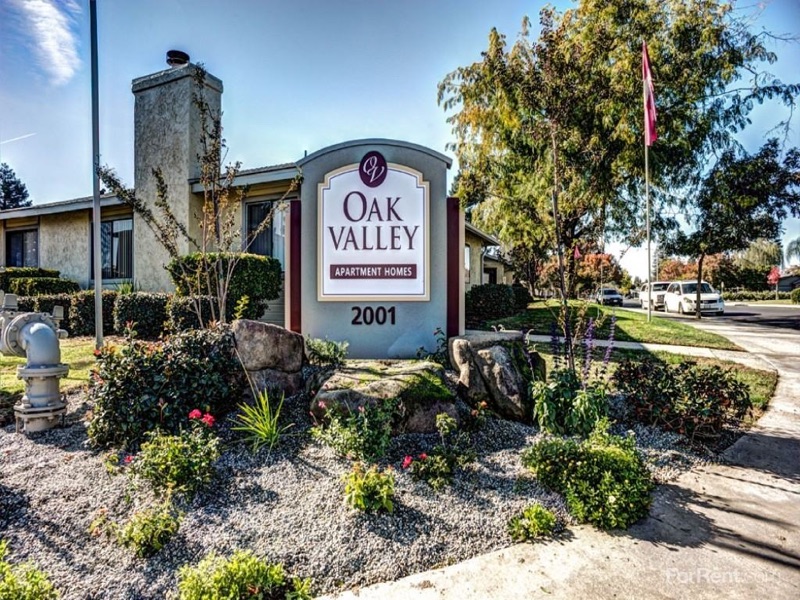
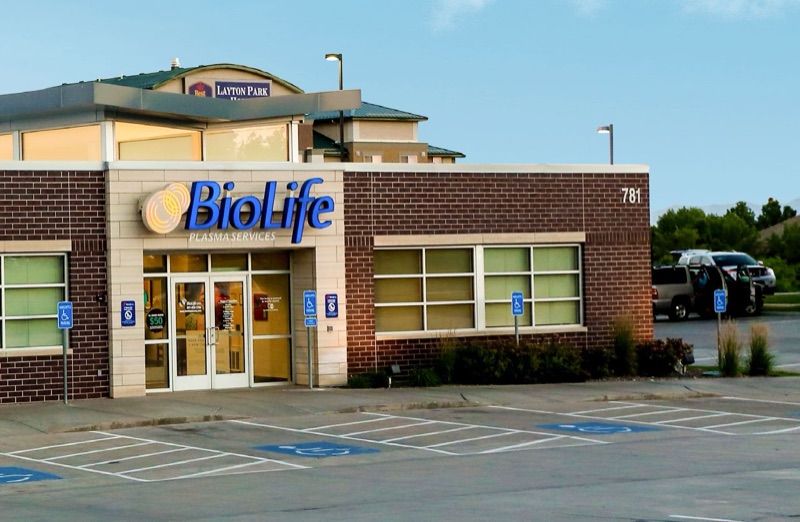
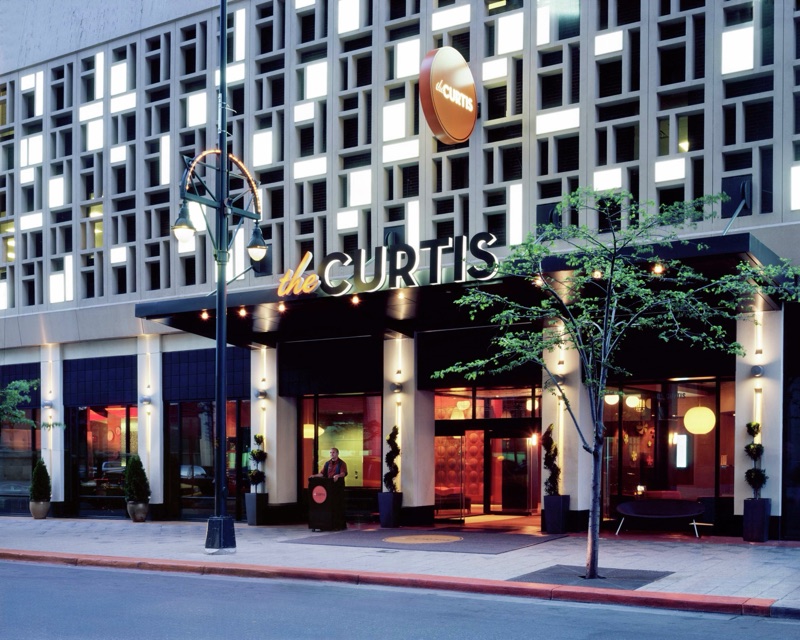
Three rows of property photographs and architectural renderings moving in alternating directions.




















Why do investors work with me?
I don’t love talking about myself, but I’ll give it my best go.

I grew up in an entrepreneurial family in Birmingham, Michigan, a small town north of Detroit. I attended Babson College in Wellesley, Massachusetts, where I studied both Applied Mathematics and Applied Statistics.
After college, I had the opportunity to work at ValueRock Realty Partners, Faris Lee Investments, Westport Capital Partners, and Arbor Bay Capital Partners. Those experiences gave me the chance to learn the acquisition, management, and development sides of the real estate business.
During that time, I was involved in more than $10 billion in real estate investment activity. That included various roles in the redevelopment of a mall in Orange County, California, and the development of an animal processing facility for John F. Kennedy International Airport in New York.
I also worked on the SkyBridge Opportunity Zone REIT through Westport Capital Partners’ partnership with Anthony Scaramucci’s SkyBridge Capital. It was one of the first Opportunity Zone funds structured as a real estate investment trust. The idea was to give investors access to development and redevelopment projects across different markets and property types through a single investment.
How do we get started?
-
Introductory call
We discuss your goals, needs, exchange requirements, and timeline. Some investors call before listing their property. Others call after their sale closes. Wherever you are, that’s where we start—but speaking earlier gives us more time to work through the options.
-
Review opportunities
I narrow down the available investments to those that fit your situation, and we review them together. I’ll explain why I’m considering each one, what I like, and where I have reservations. We work through your questions before you make a decision.
-
Close
My team and I coordinate the paperwork and closing with the sponsor and your qualified intermediary. For the DSTs I offer, the properties have already been acquired and the offerings prepared. With complete paperwork, available funding, and the necessary approvals, closing can often take just two to three business days.
Get started with Jerry Baker!
Tell me a little about yourself and your investment plans.
Frequently asked questions
A few things to know before we talk.
When should we start talking?
Before you list your property is a great time. It gives us room to discuss your needs and explore the options. If your sale has already closed, we’ll start with your closing date, whether a qualified intermediary is holding the proceeds, and the time left on your exchange. That helps us understand what may still be possible.
What is a DST, and how does it work?
A Delaware statutory trust, or DST, lets you own a beneficial interest in a trust that holds real estate. The sponsor and property manager handle the day-to-day operations. Properly structured DST interests can qualify as replacement property in a 1031 exchange. You get a passive ownership structure, with investment risks and limits on your control and ability to sell.
IRS: DST exchange treatment ↗What are my 1031 exchange deadlines?
Generally, you have 45 days after transferring your property to identify replacement property in writing. You must receive the replacement property by the earlier of 180 days after the transfer or your tax-return due date, including extensions. Both clocks start with the transfer of the property you’re selling, so it helps to begin the conversation early.
IRS: exchange deadlines ↗Do I still need a qualified intermediary?
In a typical delayed exchange, yes. A qualified intermediary handles the exchange agreement and holds the sale proceeds. Arrange this before closing so you don’t receive or control the money. I help with investment selection and coordinate with your intermediary. Your tax and legal professionals should review the requirements for your specific exchange.
IRS: using a qualified intermediary ↗How much do I need to reinvest?
For full deferral, you generally reinvest all net exchange proceeds and acquire replacement property of equal or greater value, after permitted adjustments. Debt paid off in the sale generally needs to be offset by replacement debt, additional cash, or a combination. Your tax professional and qualified intermediary should confirm the final calculation.
IRS: exchange calculations ↗Can I use more than one investment?
Yes. You can divide your exchange among multiple qualifying replacement properties, including DST interests, within the identification rules and exchange deadlines. That gives us room to consider different property types, sponsors, and debt levels. The mix still needs to fit your needs; spreading out your investment does not eliminate the risk of loss.
IRS: replacement property rules ↗Do I need to be an accredited investor?
The private offerings I work with are generally intended for accredited investors. Common individual qualifying tests include net worth above $1 million, excluding your primary residence, or annual income above $200,000 individually—or $300,000 with a spouse or spousal equivalent—in each of the past two years, with the same expected this year. Other qualifying routes exist, and eligibility depends on the offering.
SEC: accredited investor criteria ↗What are the minimums and fees?
They vary by offering. We’ll review the minimum investment, upfront expenses, ongoing management costs, and selling compensation disclosed in the offering documents. I’ll help you understand how those charges affect the money going to work. We’ll go through the private placement memorandum and the relevant costs before you decide.
Can I access my money before the investment ends?
You should not count on it. DST interests are generally illiquid, and an early sale may not be possible. Plan to hold through the investment’s exit, which may take longer than the sponsor estimates. That’s why we discuss your future cash needs before deciding how much to invest.
SEC: private investment liquidity ↗What are the main risks?
You can lose some or all of your principal, and distributions are not guaranteed. Property performance, vacancies, debt, sponsor decisions, and market conditions can affect results. You also give up control over day-to-day operations and the timing of a sale. I’ll walk you through each offering’s specific risks, including what could make it a poor fit for you.
SEC: private investment risks ↗